Hysteroscopic Surgery in Lucknow
Dr. Sonu Singh is a well-experienced Obstetrician & Gynecologist skilled in performing highly specialized gynecological endoscopy and hysteroscopic surgeries in Lucknow. She offers her patients a minimally invasive method for treating various diseases of the lining of the womb, with special emphasis on women having issues of abnormal bleeding and infertility.
She uses a customized approach according to her patients' complaints, diagnosis, and reproductive desires.
What Is Hysteroscopic Surgery?
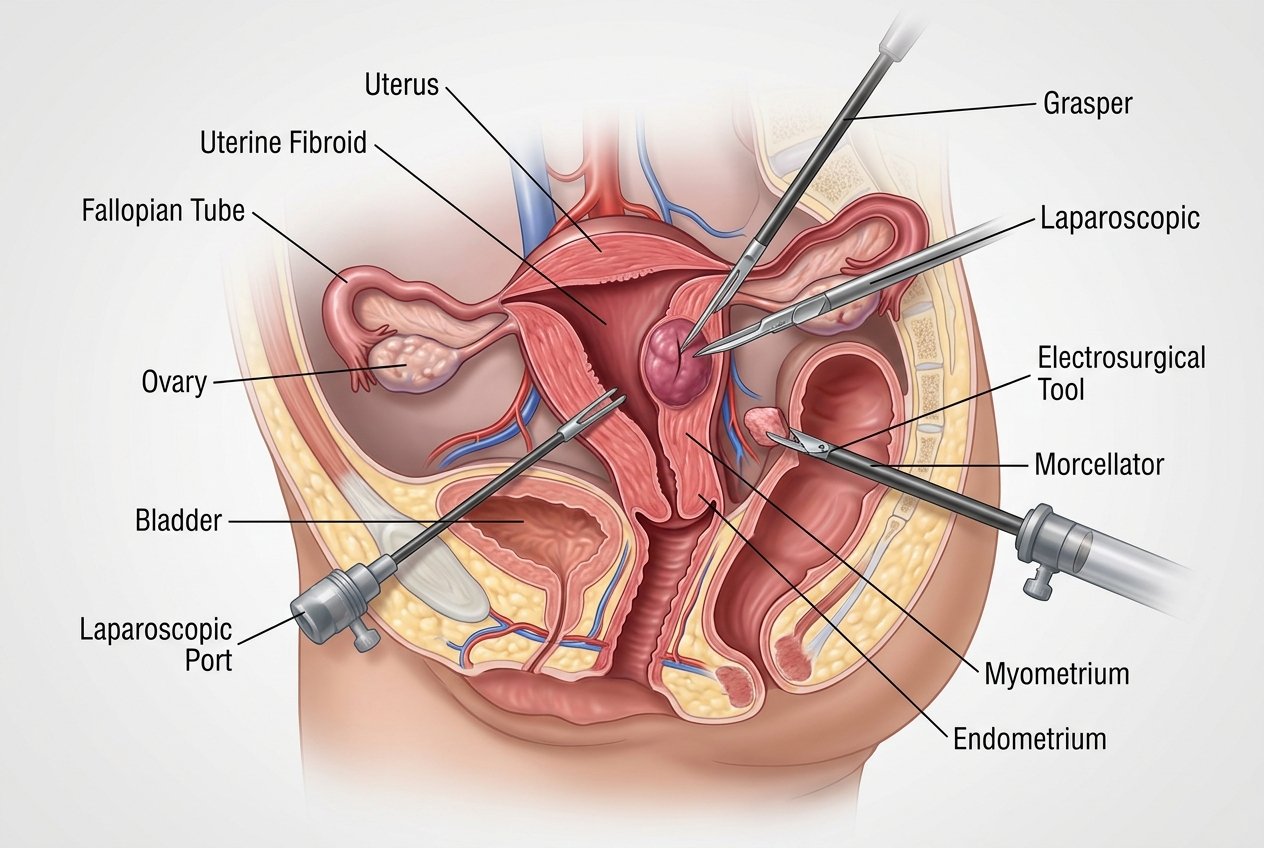
Hysteroscopic surgery is a procedure that helps surgeons examine and treat some disorders within the uterus.
A small instrument with a camera, known as a hysteroscope, is inserted into the vagina and then into the uterus so that the surgeon can examine the cavity of the uterus and, if necessary, treat some disorders.
Each hysteroscopic intervention is planned according to your exact symptoms, diagnosis, and personal reproductive goals.
What Conditions Can Hysteroscopic Surgery Treat?
Depending on the medical condition of the patient, hysteroscopy can be used to correct:
Uterine Polyps
Benign growths attached to the inner wall of the uterus that can cause irregular bleeding, spotting, or infertility.
Submucous Fibroids
Fibroids protruding directly into the uterine cavity, causing prolonged or heavy bleeding, severe cramps, and embryo rejection.
Uterine Adhesions
Bands of scar tissue (Asherman's syndrome) inside the uterine cavity resulting from infection or prior procedures.
Certain Uterine Abnormalities
Congenital uterine malformations such as a uterine septum, which can cause recurrent miscarriages or conception challenges.
Abnormal Uterine Bleeding
Evaluation and surgical management of causes of heavy, irregular, prolonged, or postmenopausal uterine bleeding.
Infertility-Related Conditions
Structural factors within the cavity interfering with normal implantation, embryo growth, or assisted reproduction (IVF).
It all depends on where, what type and how large the abnormality is.
Benefits of Hysteroscopic Surgery
When indicated, hysteroscopic procedures may provide:
No Abdominal Incisions
Performed naturally through the cervix with zero external cuts, eliminating abdominal scarring completely.
Minimally Invasive
Minimally invasive intervention that preserves surrounding healthy endometrial tissues and muscular integrity.
Cavity Visualization
Direct, magnified high-definition uterine cavity visualization allows complete diagnostic accuracy.
Same-Procedure Treatment
Treatment of certain problems within the same procedure, avoiding multiple hospital visits or surgeries.
Faster Healing
Significantly faster healing than open uterus surgery with minimal postoperative discomfort and early discharge.
The advantages and recovery period vary according to the particular procedure being performed.
Hysteroscopy for Fertility
Certain factors within the uterine cavity can affect the process of implantation and conception. The hysteroscope helps in assessing the uterine cavity and can be useful in treating certain problems that are diagnosed.
Dr. Sonu Singh holds a Diploma in Reproductive Medicine & IVF from Kiel, Germany and offers fertility-oriented gynaecological services when hysteroscopic therapy is required.
Discuss Your Fertility & Symptoms
Consult Dr. Sonu Singh at our Gomti Nagar clinic in Lucknow for an individualized hysteroscopic assessment and fertility guidance.
Schedule Evaluation Call Desk: +91 98765 43210
Why Choose Dr. Sonu Singh?
Specialized hysteroscopic expertise, minimal access mastery, European training, and over 5,000 successful complex procedures.
Advanced Gynaecological Endoscopy
Expertise in advanced procedures that use minimal access in gynaecology.
More Than 5,000 Complex Procedures
Rich experience with complex gynaecological endoscopic procedures.
Patient Fertility-Based Approach
Individual treatment plans with consideration for your fertility-related issues.
Internationally Trained
Advanced training in surgical procedures from India, Italy, and France.
Personalised Treatment
Every treatment is individually tailored on the basis of your condition and symptoms.
Frequently Asked Questions
Common questions regarding hysteroscopic surgery, procedure comfort, fertility effects, and recovery timeline.
Consult Dr. Sonu Singh for Hysteroscopic Surgery in Lucknow
For any abnormalities that affect your uterus, such as bleeding problems, a polyp in the uterus, a submucosal fibroid or a fertility issue, seek consultation from Dr. Sonu Singh for an assessment.
Schedule Your Appointment with Dr. Sonu Singh